


Warning: Undefined array key "right" in /var/www/html/wp-content/themes/app3s-quangngai/app3s_custom/custom-function.php on line 461
Author Archive
Biomass Conversion and Catalytic Hydrodeoxygenation of Bio-oil Model Compound
Biomass –derived biofuel has attracted considerable attention as an alternative and renewable fuel owing to petroleum price instability and global warming. Conversion of biomass such as lignocellulose biomass or microalgae by thermal decomposition considered as feasible approaches for converting biomass into energy as well as valuable chemicals. Recently, pyrolysis and hydrothermal liquefaction (HTL) have received growing attention on conversion of biomass compositions to produce biofuel. Pyrolysis is the thermochemical process, in which dry biomass will be decomposed with the absence of oxygen. While HTL converts wet biomass into gases, biocrude, aqueous –phase product and biochar through thermal and hydrolytic decompositions.
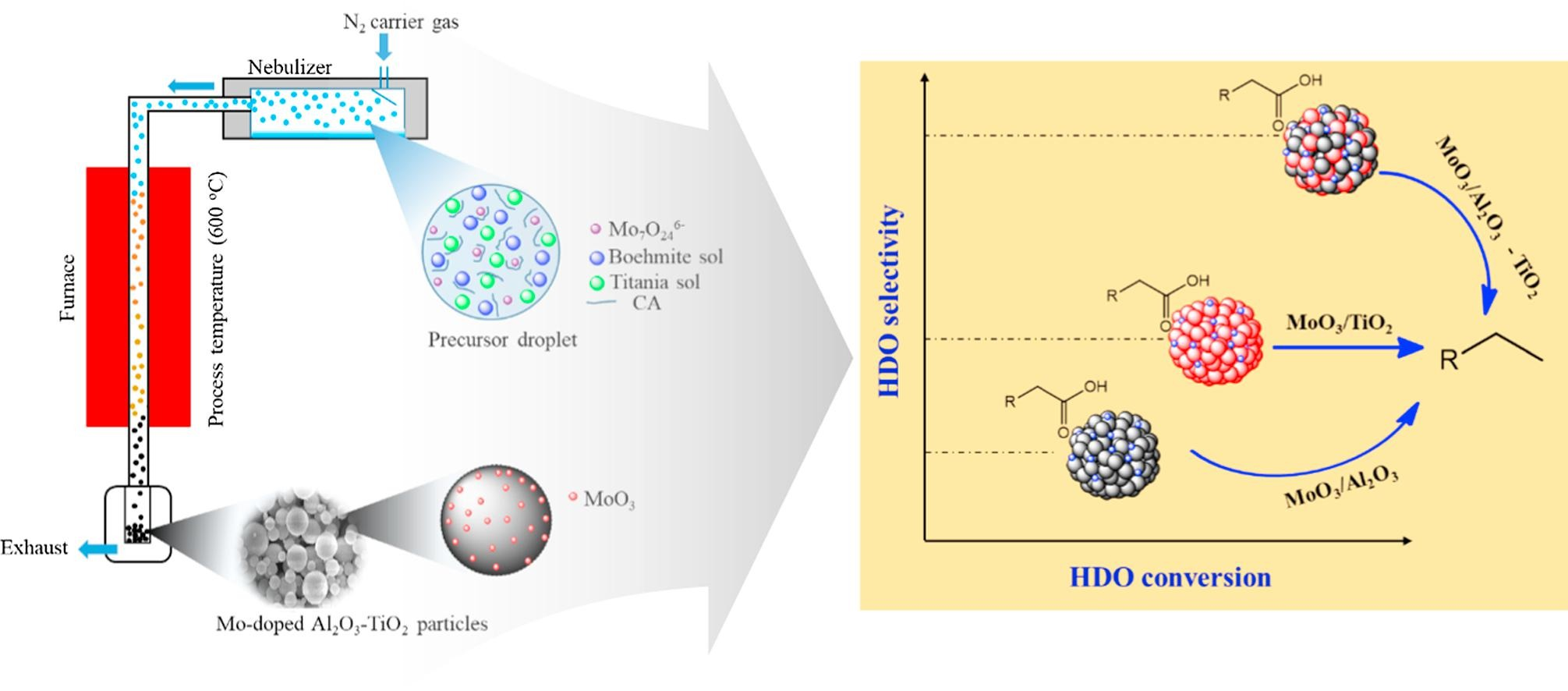
Upgrading of biomass –derived biocrude have attracted much attention for recent years. Hydrodeoxygenation (HDO) reaction is one of the most potentially valuable processing routes to selectively cleave C – O and C – C bonds in oxygen-containing substances. In this work, a novel method combining sol-gel and spray pyrolysis was applied to synthesize Mo/Al2O3 –TiO2 catalysts for upgrading of hexadecanoic acid (Palmitic acid) that was found to be a major component (ca. 50%) in the biocrude obtained from pyrolysis and HTL of microalgae Aurantiochytrium sp. During spray pyrolysis process, the spherical composite particles were formed directly from the droplets containing a well-dispersed mixture of molybdenum salt, boehmite sol and titania sol through one-step pyrolysis. The results obtained from catalytic activity studies on hydrodeoxygenation of Palmitic acid showed that the Mo/Al2O3-TiO2 catalysts exhibited excellent catalytic performance as high HDO conversion (100%) and high saturated hydrocarbon selectivity (93.18%). These results were much better than those of catalyst derived from conventional impregnation method. Effects of TiO2 concentration used to modify γ-Al2O3 on the catalytic activity was systematically investigated. Reusability experiment results showed that there were a slight decrease in metal/metal oxides ratio of reduced catalyst after four runs.
*Publications:
- The Ky Vo, Ok Kyung Lee, Eun Yeol Lee, Chul Ho Kim, Jeong-Woo Seo, Jinsoo Kim, Seung-Soo Kim. Kinetics study of the hydrothermal liquefaction of the microalga
Aurantiochytrium sp. KRS101. Chemical Engineering Journal. 306(2016), P. 763-771, (SCI, Impact factor: 6.7)
- The Ky Vo, Woo-Sik Kim, Seung-Soo Kim, Kye SangYoo, Jinsoo Kim. Facile synthesis of Mo/Al2O3–TiO2 catalysts using spray pyrolysis and their catalytic activity for hydrodeoxygenation. Energy Conversion and Management. 158 (2018), 92-102. (SCI, Impact factor: 6.4)
- The Ky Vo, Jin-Seong Cho Seung-Soo Kim Jae-Heung Ko, Jinsoo Kim. Genetically engineered hybrid poplars for the pyrolytic production of bio-oil: Pyrolysis characteristics and kinetics. Energy Conversion and Management. 153(2017), P. 48-59. (SCI, Impact factor: 6.4)
- The Ky Vo, Hoang Vu Ly, Ok KyungLee, Eun Yeol Lee, Chul Ho Kim, Jeong-Woo Seo, Jinsoo Kim, Seung-Soo Kim. Pyrolysis characteristics and kinetics of microalgal Aurantiochytrium sp. KRS101. 118(217), P. 369-376. (SCI, Impact factor: 4.9)
- The Ky Vo, Seung-Soo Kim, Hoang Vu Ly, Eun Yeol Lee, Choul-Gyun Lee, Jinsoo Kim. A general reaction network and kinetic model of the hydrothermal liquefaction of microalgae Tetraselmis sp. Bioresource Technology, 241(2017), P.610-619, (SCI, Impact factor: 8)
- The Ky Vo, Hyung-Kyu Park, Chul-Woo Nam, Sung-Don Kim, Jinsoo Kim. Facile synthesis and characterization of γ-AlOOH/PVA composite granules for Cr(VI) adsorption. Journal of Industrial and Engineering Chemistry, 60(2018), P. 485-492. (SCI, impact factor: 4.8)
- The Ky Vo, Youn-Sang Bae, Bong-Jun Chang, Su-Young Moon, Jeong-Hoon Kim, Jinsoo Kim. Highly CO selective Cu(I)-doped MIL -100(Fe) adsorbent with high CO/CO2 selectivity due to π complexation: Effects of Cu(I) loading and activation temperature. Microporous and Mesoporous Materials, 274(2019), P.17-24. (SCI, impact factor: 3.6)
- Jin‐Seong Cho, Hyung‐Woo Jeon, Min‐Ha Kim, The Ky Vo, Jinsoo Kim, Eung‐Jun Park, Young‐Im Choi, Hyoshin Lee, Kyung‐Hwan Han, Jae‐Heung Ko. Wood forming tissue‐specific bicistronic expression of PdGA20ox1 and PtrMYB221 improves both the quality and quantity of woody biomass production in a hybrid poplar. Plant Biotechnology Journal, 2018, P. 1-10. (SCI, impact factor 6.3)
- The Ky Vo, Tien Dat Nguyen, Kye Sang Yoo, Mugeun Song, Daekeun Kim, Jinsoo Kim. Facile synthesis of UiO-66(Zr) using a microwave-assisted continuous tubular reactor and its application for toluene adsorption. Crystal Growth & Design.
- The Ky Vo, Jeong-Hoon Kim and Jinsoo Kim. A promising environmentally-friendly synthesis of MIL-101(Cr) and its application for carbon monoxide separation. Crystal Growth & Design.
*Awards:
- The excellent Ph.D Thesis Prize of Engineering Department in 2017: “Biomass Conversion and Catalytic Hydrodeoxygenation of Bio-oil Model Compound”
- Best poster presentation award: “High catalytic activity of MoO3/Al2O3 – TiO2 catalyst prepared by spray pyrolysis for Hydrodeoxygenation”, International Symposium on Green Energy for 21C, 2017
* Oral presentations
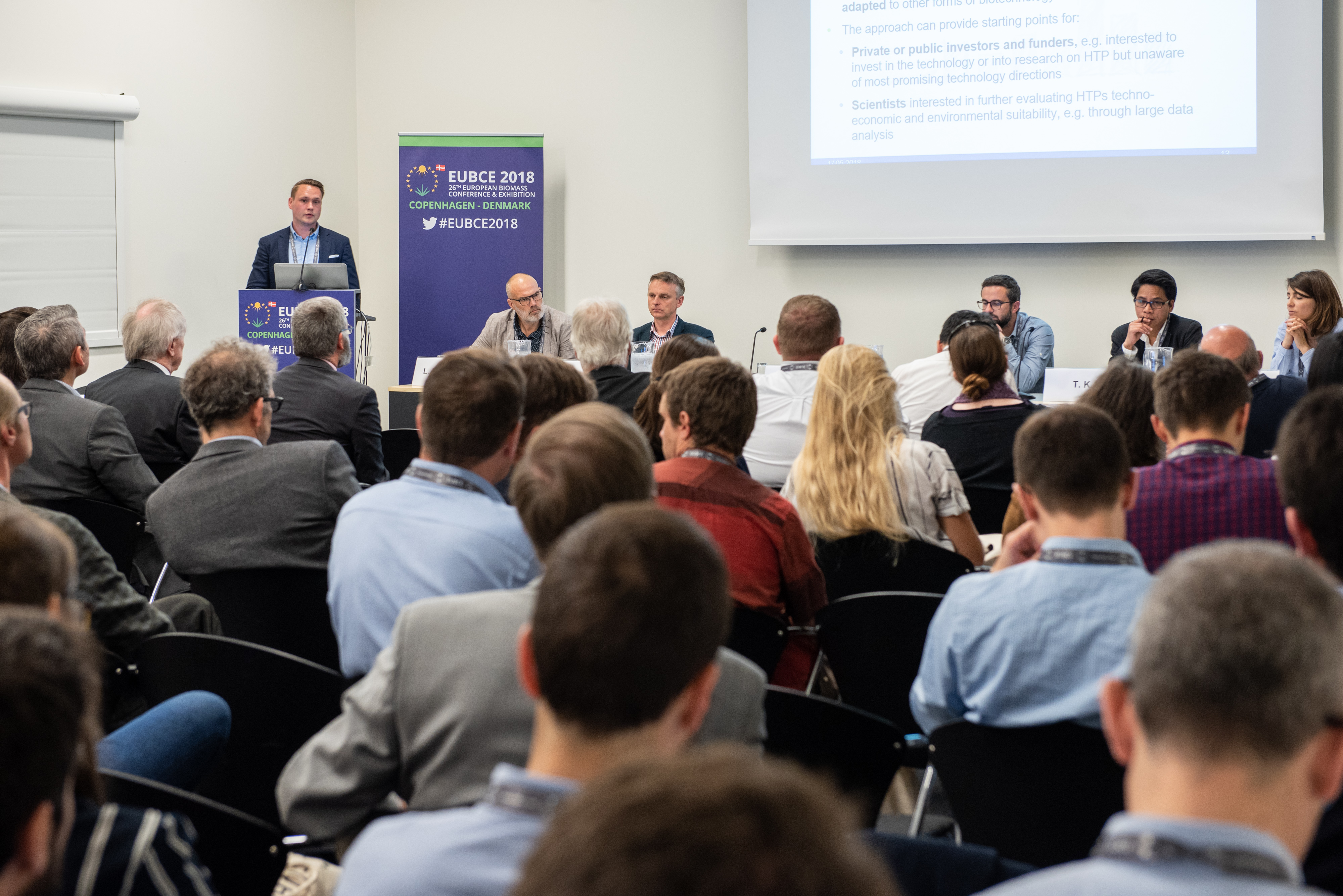
- 1. “A general reaction network and kinetic model of the hydrothermal liquefaction of microalgae Tetraselmis sp.” 26th European Biomass Conference& Exhibition 2018, Copenhagen, Denmark.
- 2. “A promising environmentally-friendly synthesis of MIL-101(Cr) and its application for carbon monoxide separation.” Interdisciplinary Chemical Engineering, 2018, Korea.
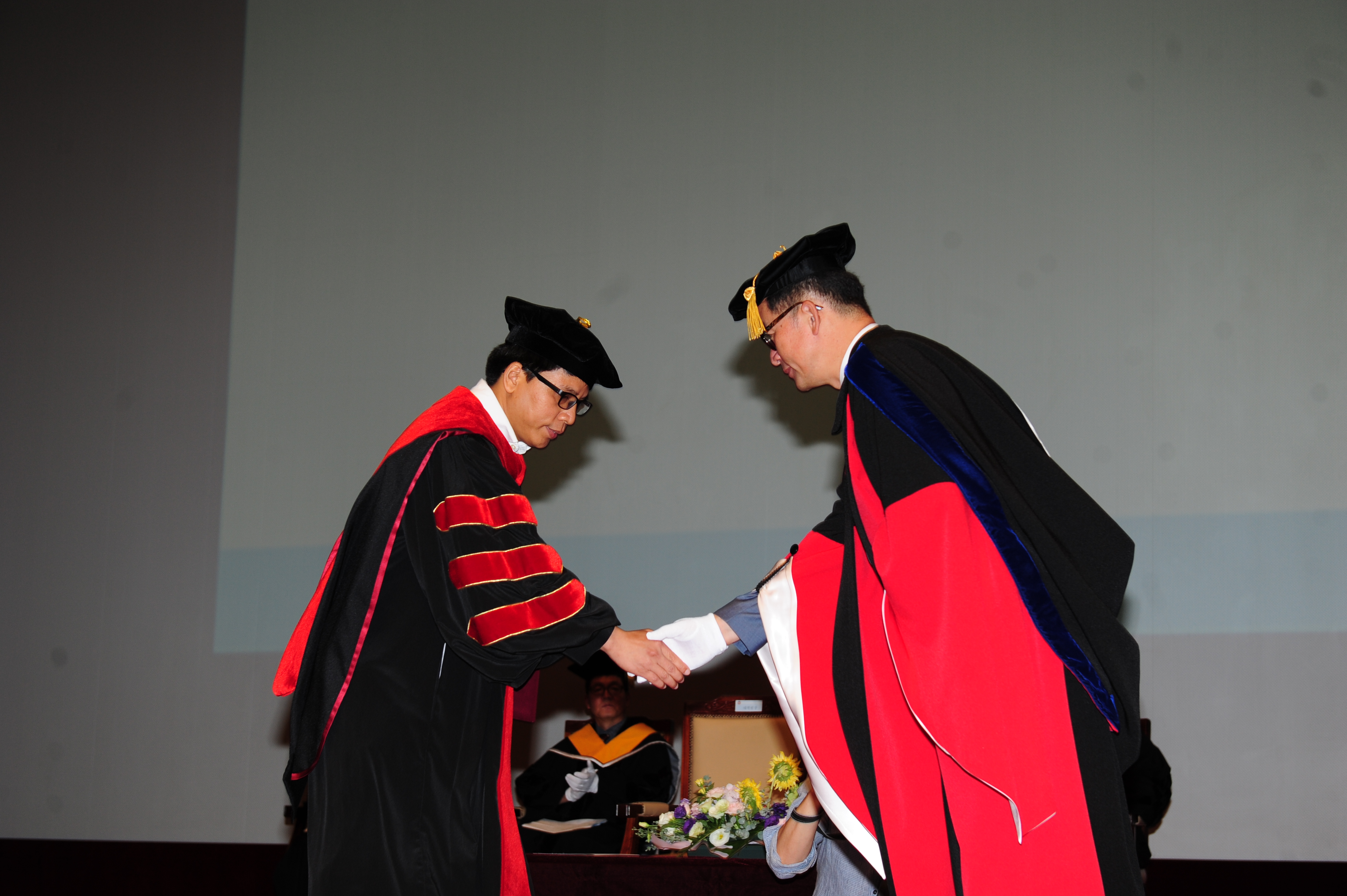
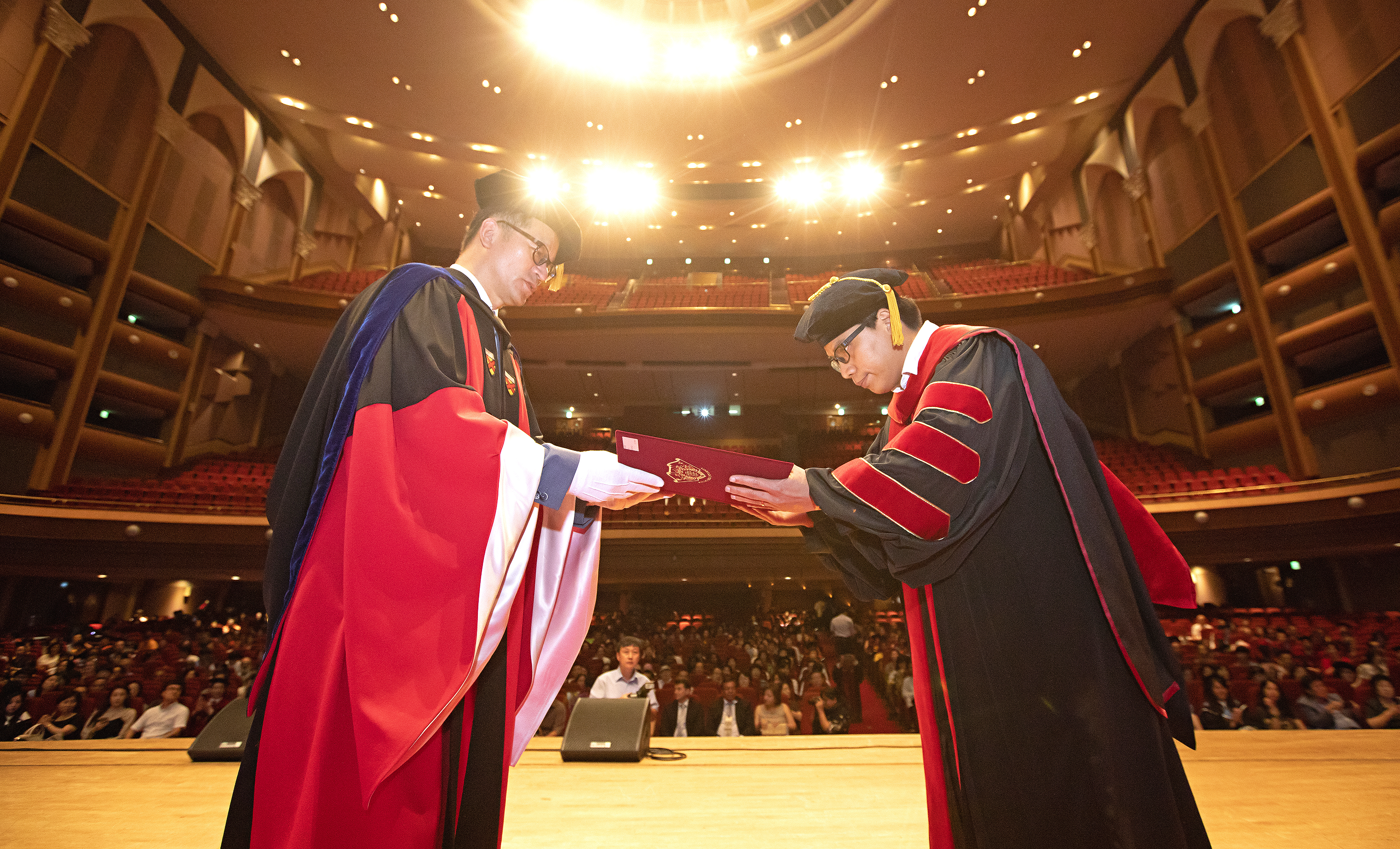
Kết quả nghiên cứu trên đã được NCS. Võ Thế Kỳ – giảng viên bộ môn Công nghệ hóa học – Khoa Công nghệ – Trường Đại học Công nghiệp TpHCM – Phân hiệu Quảng Ngãi, chuyên ngành tiến sĩ: Kỹ thuật hóa học dưới sự hướng dẫn của Giáo sư Jinsoo Kim – Đại học Kyung Hee – Hàn Quốc đã bảo vệ thành công luận án Tiến sĩ ngày 10/05/2018, địa điểm tại Khoa Công nghệ – Trường Đại học Kyung Hee – Hàn Quốc.
CÁCH MẠNG CÔNG NGHIỆP 4.0 & NGHỀ NGHIỆP CỦA BAN

Cách mạng công nghiệp 4.0 đang và sẽ ảnh hưởng rất nhiều đến nền kinh tế đất nước, nói một cách gần hơn là ảnh hưởng trực tiếp đến công tác giáo dục và đào tạo trong các trường Đại học. Nó mang đến cho chúng ta nhiều cơ hội nhưng cũng vô vàn thách thức và khó khăn.
Để tiếp cận, thay đổi quan điểm trong phương pháp dạy và học theo xu thế mới của Cách mạng công nghiệp 4.0, Khoa Công nghệ và Khoa Kinh tế Phân hiệu Trường Đại học Công nghiệp tp Hồ Chí Minh tại Quảng Ngãi (PHQN) đã tổ chức buổi Hội thảo với chủ đề “Cách mạng công nghiệp 4.0 ảnh hưởng thế nào đến nghề nghiệp của bạn” với sự tham dự của tất cả giảng viên PHQN và gần 500 sinh viên đang học tập tại PHQN.
Trình bày nội dung chính:
– Diễn giả ông Vy Văn Việt Giám đốc Công ty TNHH đào tạo & Công nghệ iViettech
Phó chủ tịch Hiệp hội phần mềm Đà Nẵng (DSA)
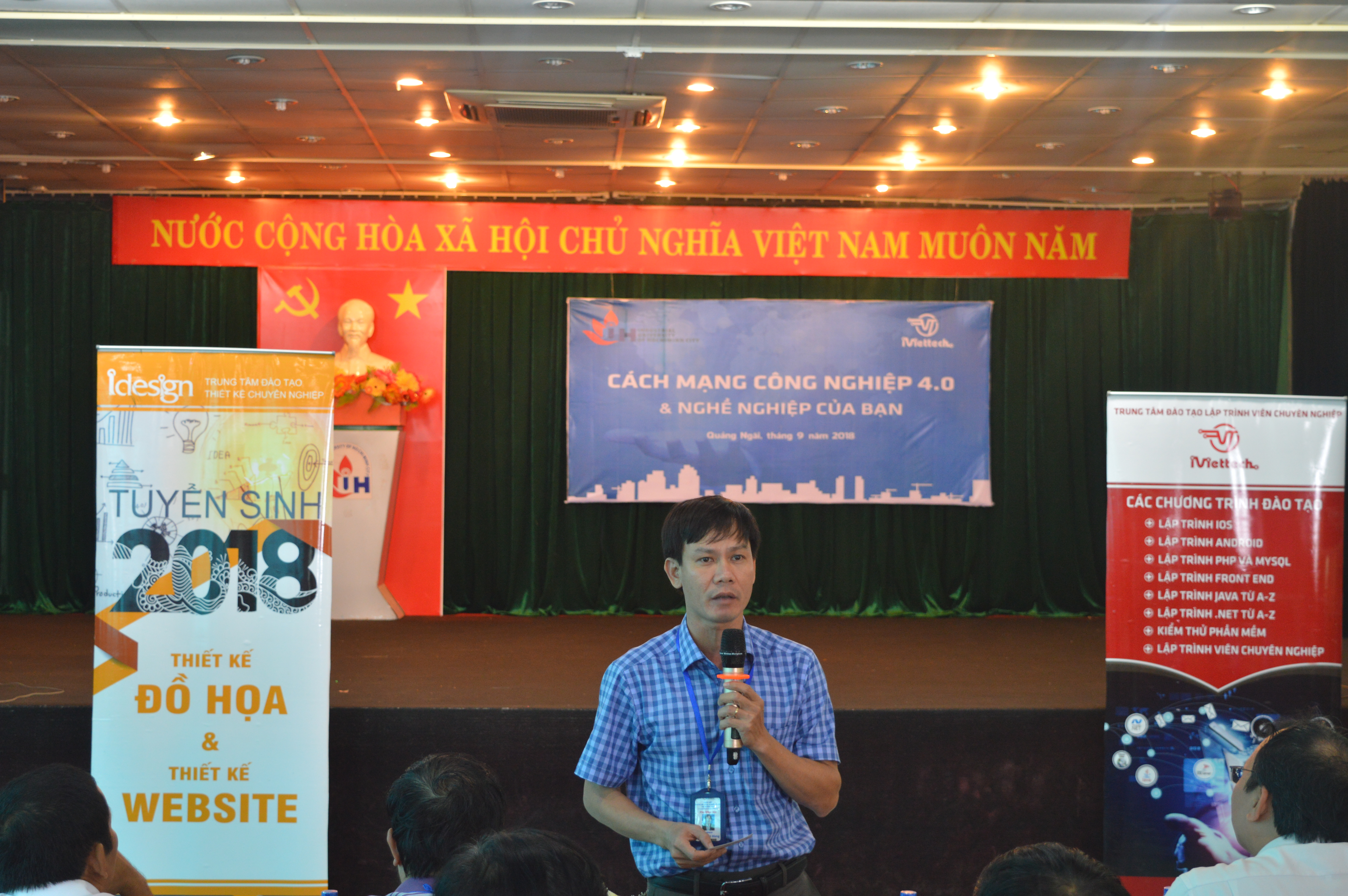
Thầy Phạm Việt Hùng (PGĐ PHQN) phát biểu về tầm quan trọng của Công nghiệp 4.0
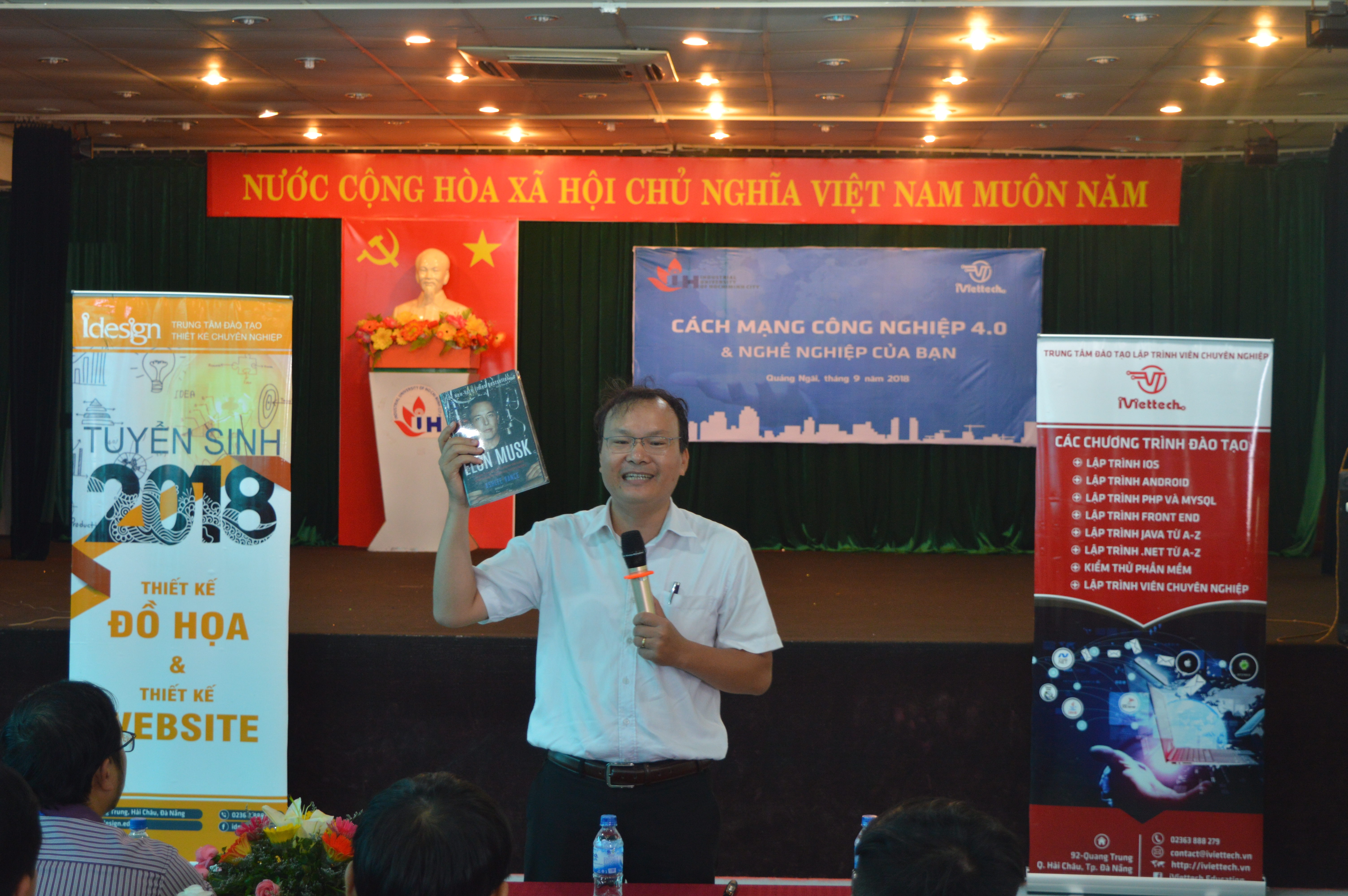
Diển giả Vy Văn Việt trình bày chủ đề Cách mạng 4.0 ảnh hưởng thế nào đến nghề nghiệp của bạn
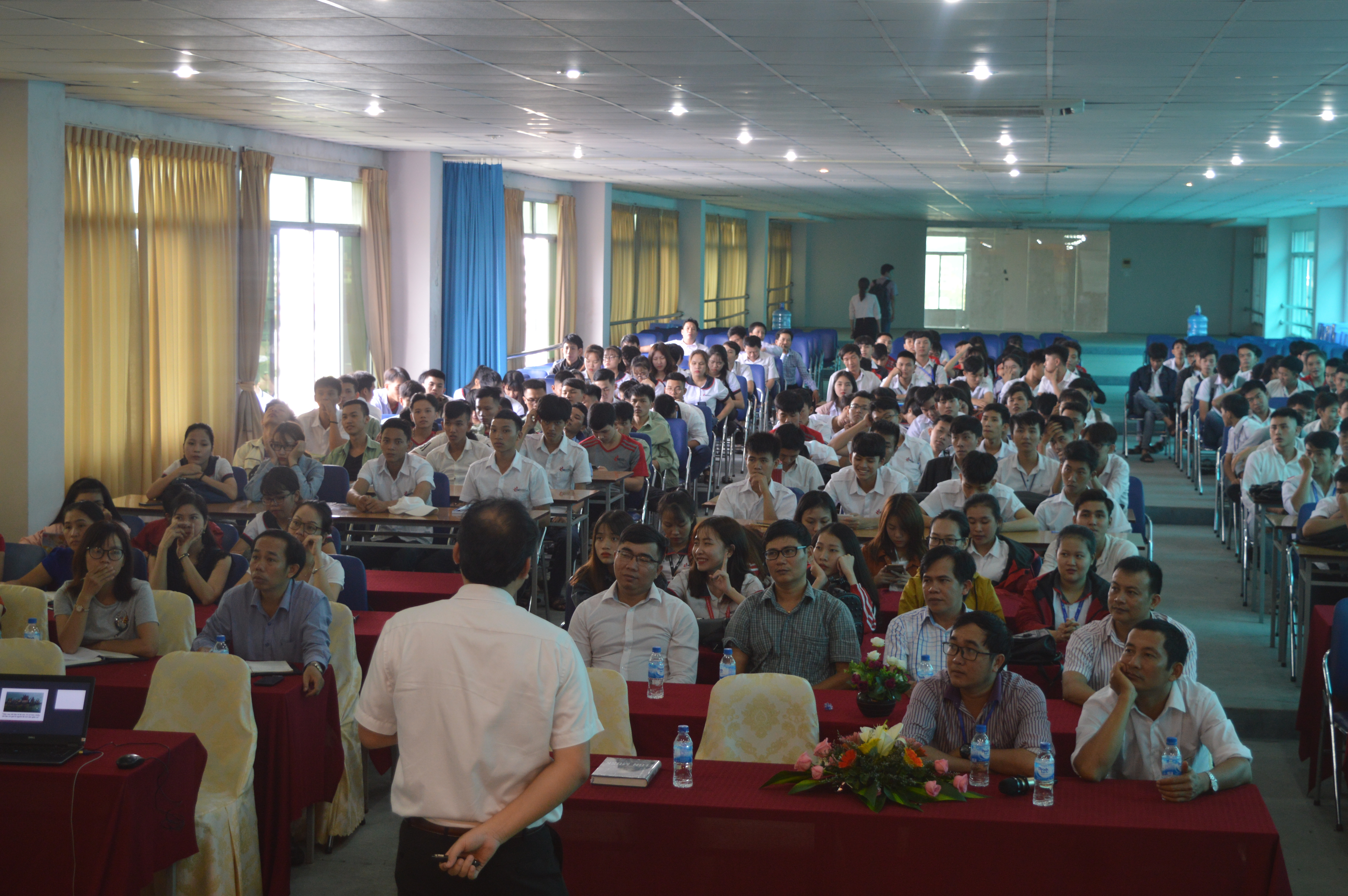
Toàn cảnh buổi Hội thảo
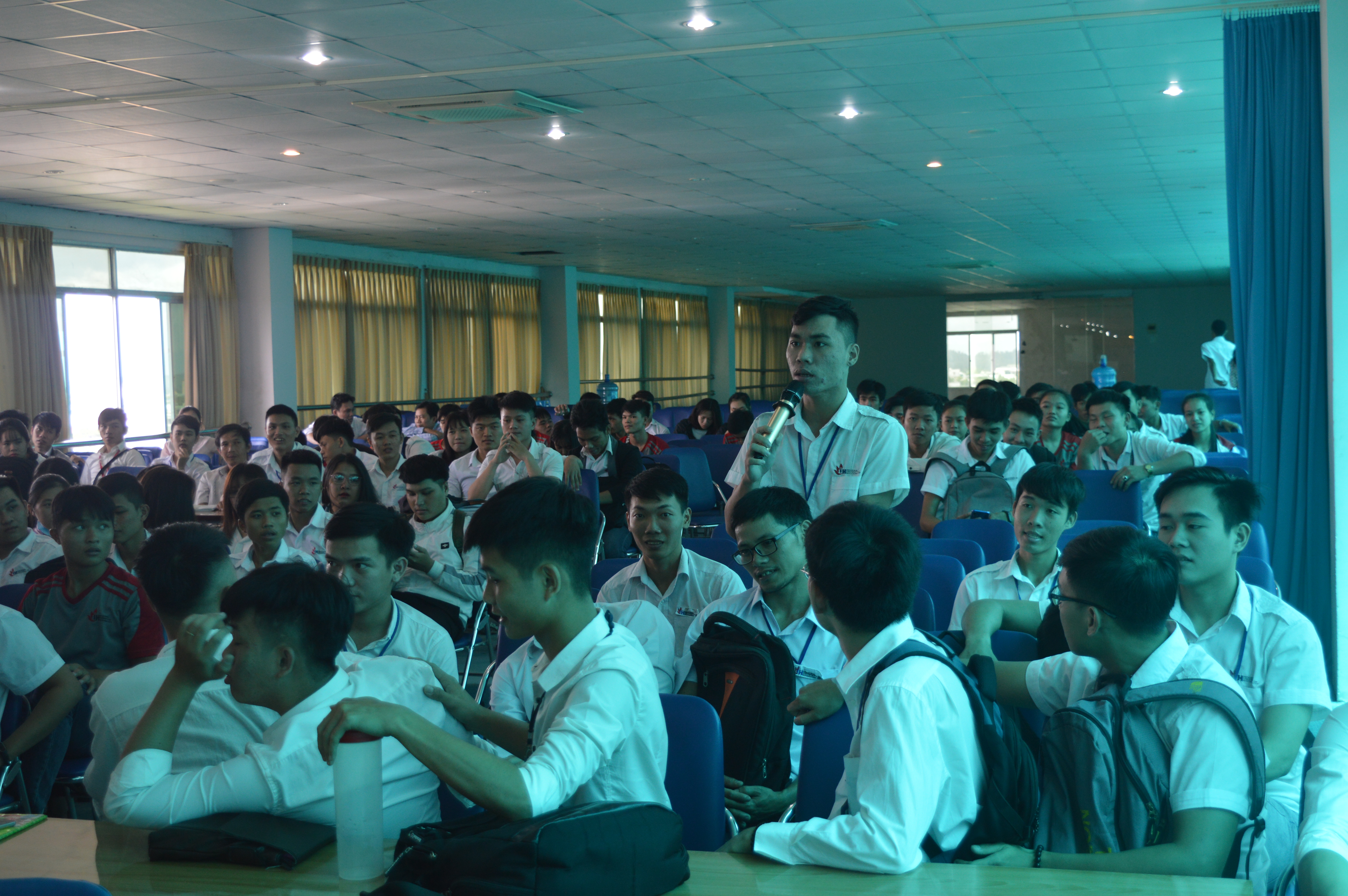
Sinh viên tham gia Hội thảo đặt câu hỏi cho diễn giả Vy Văn Việt
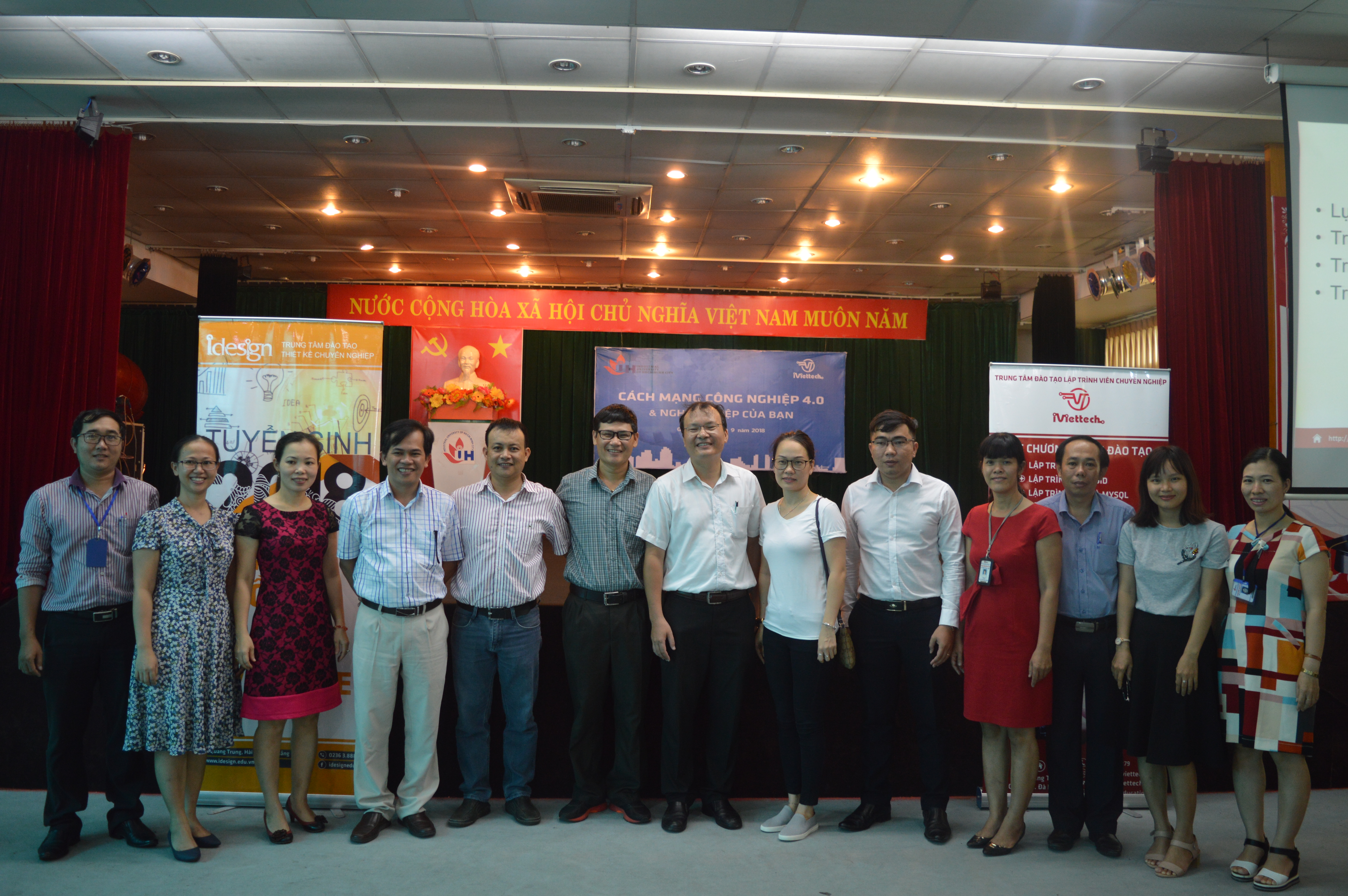
Giảng viên PHQN chụp ảnh lưu niệm với diễn giả Vy Văn Việt
Nội dung của cuộc cách mạng công nghiệp 4.0 giúp giảng viên và sinh viên PHQN nhận thức được tầm quan trọng của cuộc cách mạng 4.0, xu thế tất yếu cần phải thay đổi trong nhận thức, trong quan điểm và trong cách tiếp cận phương pháp dạy và học gắn liền với yêu cầu đặt ra của cuộc cách mạng công nghiệp 4.0.
Warning: Undefined array key "right" in /var/www/html/wp-content/themes/app3s-quangngai/sidebar.php on line 3


Warning: Undefined array key "bottom" in /var/www/html/wp-content/themes/app3s-quangngai/footer.php on line 12
